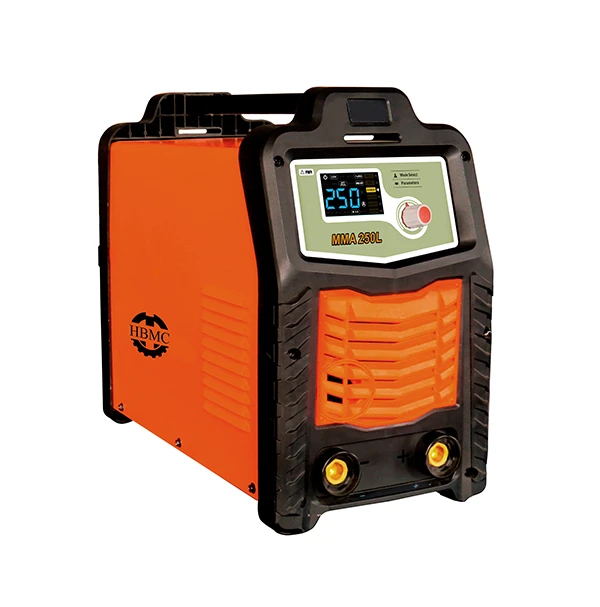
Welding machines are widely used core equipment in mechanical processing, steel structure manufacturing, hardware production, and tooling fabrication. The operational stability of welding machines directly affects production progress, welding quality, and workshop operation and maintenance costs. In actual production, many enterprises suffer from irregular operation, inadequate maintenance, and lax environmental management, which gradually cause circuit aging, accelerated component wear, overheating failure, and unstable arc striking, shortening the overall service cycle of welding equipment. As sophisticated electrical welding equipment, welding machines can achieve lower failure rates and slower component aging with standardized operating habits, regular maintenance, and standardized storage conditions. This article introduces practical methods and maintenance tips to extend the service life of welding machines, supporting standardized equipment operation and workshop management.
1. Standardize Operating Procedures to Reduce Instant Equipment Loss
Most welding machine failures stem from non-standard daily operations. Instant current impact and frequent switching between no-load and load operation gradually wear internal circuits and core electronic components, resulting in continuous performance attenuation. Standardized startup, welding, and shutdown procedures are essential foundations for extending equipment service life.
Before startup, inspect the integrity of power cables, grounding wires, and welding torch cables. Ensure no cable damage, exposed wires, or loose and oxidized joints to avoid poor contact and unstable current during operation. Adopt no-load startup and preheating instead of direct loaded startup, so as to reduce instantaneous current impact on circuit boards and transformers.
During welding operations, match appropriate current and voltage parameters according to plate thickness and welding process requirements, and avoid long-term over-gear and overloaded operation. Reduce frequent startup and shutdown as well as abrupt large current switching to minimize component loss caused by load fluctuation. After operation, turn off the equipment switch first, wait for the cooling fan to stop and the machine body to cool down, and then cut off the main power supply to prevent circuit damage caused by sudden power failure.
2. Conduct Regular Cleaning and Dust Removal to Prevent Dust-Induced Failures
Welding operations generate a large amount of welding slag dust, metal smoke, and iron oxide particles. Fine dust easily accumulates inside welding machines on circuit boards, heat sinks, cooling fans, transformers, and other core components, blocking heat dissipation and affecting circuit conduction. It is one of the common causes of equipment overheating, short circuits, and circuit board burnout. Regular dust removal and cleaning are key parts of daily welding machine maintenance.
Enterprises can formulate periodic dust removal plans according to workshop dust concentration. Monthly cleaning is suitable for ordinary workshops, while high-dust working environments require shorter cleaning cycles. Use dry compressed air to blow internal dust, focusing on heat dissipation ducts, fan blades, power boards, and transformer gaps, and remove stubborn dust with soft brushes.
Maintain external cleanliness by removing welding slag, oil stains, and rust on the machine surface regularly to avoid corrosion and component aging caused by long-term attachment of contaminants. Do not flush the equipment directly with water during cleaning, so as to prevent moisture from entering the circuit system and causing short circuits, electric leakage, and component damage.
3. Control Operating Environment to Reduce Corrosion and Equipment Wear
The operating environment greatly influences the aging speed and failure probability of welding machines. Humid, corrosive, high-temperature, and exposed working conditions will accelerate component wear and shorten equipment service life. Effective environmental control can reduce equipment failure risks from the source.
Place welding machines in dry, ventilated, and flat workshop areas, away from water accumulation and humid corners, so as to prevent circuit board oxidation and insulation layer aging caused by high humidity. Ensure smooth ventilation and heat dissipation in high-temperature seasons, and avoid densely arranged equipment that may cause poor heat dissipation, overheating protection, and high-temperature aging of electronic components.
For workshops with acid and alkali mist, corrosive gas, and dense metal dust, take protective shielding measures to reduce the invasion of corrosive media and dust. When the equipment is idle for a long time, implement dust-proof and moisture-proof covering, and conduct regular no-load power-on operation to remove internal moisture and prevent circuit failure.
4. Inspect and Replace Wearing Parts Regularly to Avoid Faulty Operation
Welding torches, nozzles, contact tips, wire feed wheels, grounding clamps, and cable joints are common wearing parts of welding machines. Long-term operation will cause wear, oxidation, deformation, and blockage. Delayed replacement of aging wearing parts will lead to difficult arc striking, excessive welding spatter, unstable current, and wire feeding jams. These problems not only affect welding quality but also increase the operating load of the host equipment and cause indirect wear on core components.
During daily inspections, check the wear degree of contact tips, nozzle blockage, and wire feed wheel status regularly. Clean nozzle welding slag, dredge the wire feeding channel, and replace severely worn and deformed parts in a timely manner. Meanwhile, inspect the contact condition of grounding wires and polish oxidized joints to ensure stable grounding and reduce host equipment impact loss caused by unstable arcs.
In addition, check the operation status of cooling fans regularly. Maintain or replace fans with stalling, abnormal noise, or low speed to avoid excessive internal temperature and protect the stable operation of internal circuits and transformers.
5. Match Load Reasonably to Avoid Long-Term Overloaded Operation
Each welding machine has a rated load duration. Long-term operation exceeding rated parameters will keep the equipment under continuous high load, resulting in high body temperature and accelerated aging of coils, capacitors, and power devices, which significantly shortens the service life of welding machines.
Match welding workload according to equipment parameters in daily production. For thick plate and long weld continuous welding, control operation duration and arrange intermittent heat dissipation to avoid prolonged full-load and overloaded operation. For multi-equipment collaborative operation, balance workload distribution to prevent long-term high-frequency operation of single equipment and maintain stable operating load.
6. Implement Regular Inspection and Ledger Management
A standardized daily inspection mechanism is crucial for timely risk detection and fault prevention. Operators shall simply check equipment circuits, body conditions, and operating sounds before and after daily work. Conduct comprehensive appearance and operation condition inspections every week, and complete in-depth dust removal and component testing every month.
Troubleshoot minor faults such as abnormal noise, current fluctuation, unstable arc striking, and overheating alarms in a timely manner. Avoid continuous operation of faulty equipment, which may expand minor problems into core component damage and circuit burnout. Establish operation and maintenance ledgers to record maintenance, part replacement, and fault information, realizing refined equipment management and extending the stable service cycle of welding machines.
Conclusion
Extending the service life of welding machines relies on standardized operation, regular maintenance, environmental control, and hidden danger elimination. Standardized startup and shutdown procedures, periodic dust removal, timely replacement of wearing parts, reasonable load control, optimized operating environment, and normalized inspection and maintenance can effectively reduce welding machine failure frequency, slow down component aging, and maintain long-term stable equipment operation. For processing enterprises, scientific equipment maintenance modes can reduce equipment repair and replacement costs, ensure continuous and stable welding operation, and improve overall workshop production efficiency.